Food and Chemical Process Production Lines
Application Scenarios
Food baking, snack food processing plants, and petrochemical enterprises. Suitable for the automation and intelligent upgrading of process manufacturing.
Description
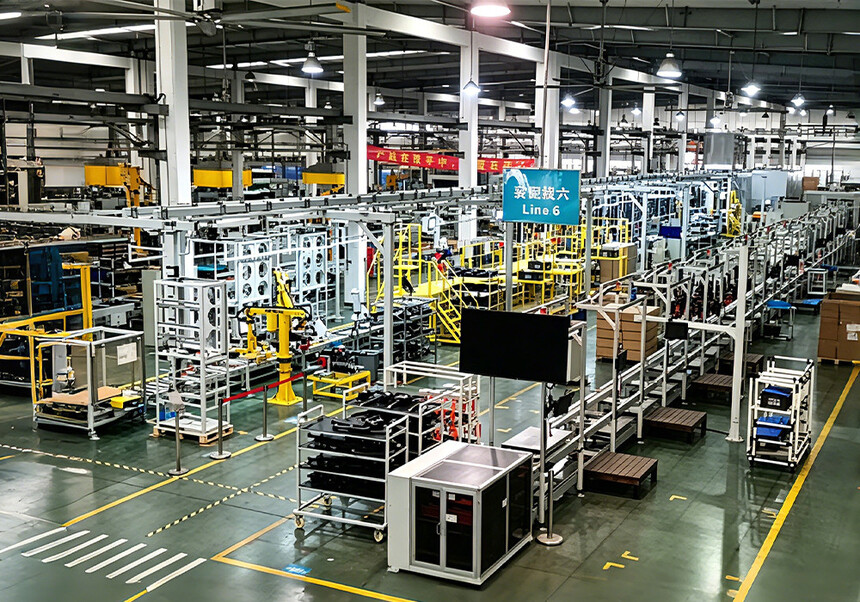
This production line is a customized continuous automated process line designed for food processing, fine chemical fluid pipelines, refrigerant filling, and sealed container manufacturing. It is suitable for both cleanroom and explosion-proof workshop environments.
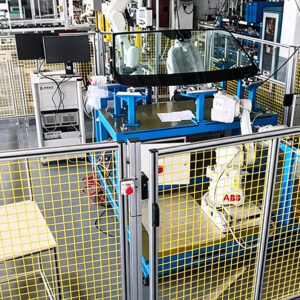
The line covers the complete workflow, including automatic loading, fluid metering and filling, vacuum leak testing, vision-based cosmetic inspection, and finished product sorting. Equipped with Siemens explosion-proof PLCs, dust-free conveying mechanisms, and an RFID batch traceability system, it can be seamlessly integrated with the factory’s ERP/MES. This enables unmanned production across all processes for food packaging, chemical refrigerant, and heat transfer fluid filling. Furthermore, the line supports customized modifications for explosion-proof, cleanroom, and anti-corrosion requirements.
Key Advantages & Highlights
|
Dual-Application Customized Solutions |
Customizable as cleanroom and dust-free models for food, or explosion-proof and anti-corrosion models for chemicals, adapting to the workshop standards of different industries. |
|
High-Precision Fluid Metering and Filling |
Filling accuracy of ±0.2g for refrigerants/food media, eliminating overfilling and material shortage losses. |
|
Comprehensive Explosion-Proof Safety Protection |
Motors, sensors, and electronic controls for the chemical version are all rated at explosion-proof level Ex d II BT4. Pipelines are anti-corrosion and resistant to refrigerant corrosion. |
|
Dry Vacuum Waterless Leak Testing |
No liquid contact throughout the entire process, preventing food contamination and dilution or degradation of chemical materials. |
|
Batch-Based Full-Process Traceability |
Binds materials, filling parameters, and inspection data by production batch to meet food safety and chemical regulatory traceability requirements. |
|
Modular Phased Delivery |
Assembly, leak testing, and sorting units can be separated for standalone use, adapting to the phased investment needs of small and medium-sized factories. |
Core System Specifications Table
|
Applicable Products |
Food sealed packaging, refrigerant filling tanks, chemical heat transfer fluid containers, and sealed fluid pipeline components |
|
|
Standard Production Cycle Time |
120~300s / unit, adjustable based on filling capacity |
|
|
Control System |
Siemens S7-1500 explosion-proof PLC (Chemical version) / Standard PLC (Food version), 12-inch dust-proof HMI |
|
|
Fluid Metering Accuracy |
±0.2g; filling range 5g~20kg with selectable tiers |
|
|
Explosion-Proof Rating (Chemical Version) |
Ex d II BT4, full-machine anti-static grounding |
|
|
Leak Detection Accuracy |
3×10⁻⁴ mbar·L/s, dry vacuum testing |
|
|
Cleanliness Class (Food Version) |
|
|
|
Traceability Method |
Batch RFID pallets + product QR code batch binding |
|
|
Line Footprint |
Standard 40m × 3.5m; footprint of a single segmented unit is 6~10m² |
Core Functions and Value in Detail
|
Clean/Explosion-proof Automated Loading & Conveying |
The food production line utilizes a 304 stainless steel dust-free belt conveyor, preventing debris and oil contamination. The chemical production line features explosion-proof motors and anti-static conveyor belts to automatically transfer metal canisters and pipeline workpieces, with zero spark risk throughout. Robots automatically pick and position workpieces with a servo positioning accuracy of ±0.1mm, ensuring precise filling alignment. |
|
High-Precision Automatic Fluid Filling |
Independent metering pump units with real-time closed-loop weighing calibration automatically complete the quantitative filling of refrigerants, edible oils, and chemical heat transfer media. Automatic plugging and sealing upon filling completion. Synchronous recording of weight data for every filled item. Automatic alarms and diversion for underfilling or overfilling, reducing raw material loss. |
|
Vacuum Sealing Leak Testing |
After filling, workpieces are transferred to the vacuum leak testing station to detect micro-leaks at tank welds and sealing interfaces. The food version prevents packaging air leakage and spoilage, while the chemical version prevents the volatilization and leakage of refrigerants and hazardous media. The entire process is dry testing, with no water pollution or material dilution. |
|
Vision-Based Cosmetic Sorting |
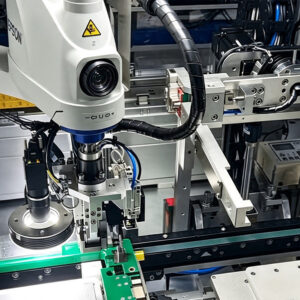
Dust-proof industrial cameras inspect for tank deformation, seal cap skewness, missing labels, and weld defects. Defective products are automatically diverted to the rework area, while qualified products are automatically palletized and unloaded, replacing 4 to 6 manual sorting and inspection workers. |
|
Batch-Based Digital Management & Control |
The system records raw material receiving time, filling parameters, and leak test results by production batch. Data is integrated with the MES to generate batch quality inspection reports, meeting food safety regulations and hazardous chemicals traceability regulatory requirements. It supports regulatory authorities in retrieving complete production archives at any time. |
Supporting Services & Delivery Assurance
-
Pre-project: On-site survey for cleanroom / explosion-proof workshops, fluid medium filling process testing, anti-corrosion piping design, and 3D layout drawing output;
-
Lead Time: 55 working days for a standard food production line, and 85 working days for a customized explosion-proof chemical production line;
-
Implementation: In-house pre-testing of medium filling → Specialized dust-proof/explosion-proof packaging and shipping → On-site joint commissioning of anti-static and explosion-proof piping, and electrical controls → 72-hour continuous full-load trial production;
-
Training: Comprehensive training on safe operation of explosion-proof equipment, metering pump calibration, vacuum leak testing maintenance, and MES batch reporting operations;
-
After-sales: 1-year warranty for the entire machine, and a 2-year warranty for metering pumps and explosion-proof sensors; 4-hour written response and 24-hour nationwide on-site engineer dispatch; lifetime cost-effective supply of anti-corrosion piping and sealing consumables; annual free safety inspection and calibration for explosion-proof equipment.
Reviews
There are no reviews yet.